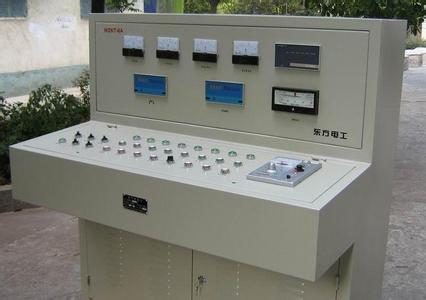
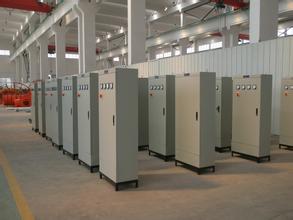
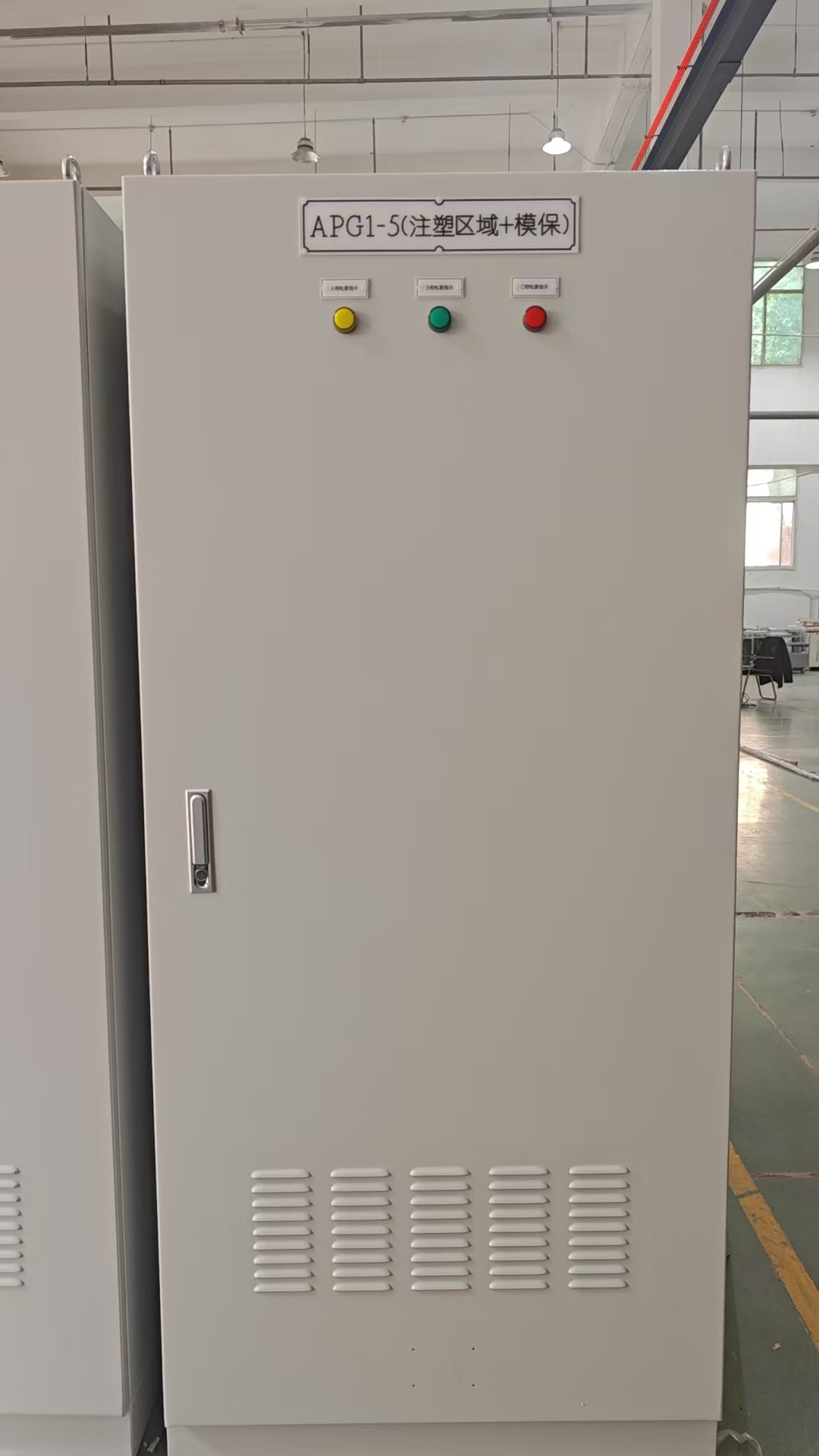
Energy conservation and consumption reduction: significantly reducing electricity consumption, lowering the cost of electricity for enterprises, while also helping to save energy resources and minimize environmental impact.
Improving equipment lifespan: By optimizing operating parameters, reducing equipment heating, and minimizing electrical stress, the burden on equipment can be reduced, the service life of electrical equipment can be extended, and equipment maintenance and replacement costs can be lowered.
Enhance system stability: Intelligent control and protection functions can monitor the operating status of the electrical system in real time, detect and handle abnormal situations in a timely manner, avoid system shutdown or damage caused by overload, short circuit and other faults, and improve the stability and reliability of the power system.
Compliant with environmental requirements: Reducing electricity consumption means reducing greenhouse gas emissions such as carbon dioxide during power generation, complying with national and regional environmental policies, and helping enterprises achieve green and sustainable development goals.
development trend
Intelligence: With the development of technologies such as the Internet of Things, big data, and artificial intelligence, energy-saving electrical cabinets will become increasingly intelligent, with stronger data analysis, prediction, and adaptive control capabilities, achieving precise energy-saving control and optimized management of Electrical systems.
Modularization: Adopting a modular design concept, the structure of the electrical cabinet is more flexible, expandable, easy to install, maintain, and upgrade, while also improving production efficiency and reducing costs.
Green environmental protection: pay more attention to environmental performance, use recyclable materials, halogen-free flame retardant materials, etc., reduce environmental pollution, further reduce energy consumption, and achieve higher energy utilization efficiency.


 Online Consultation