
 Online Consultation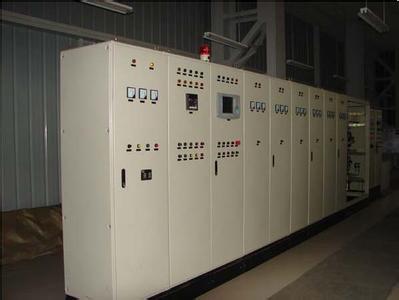
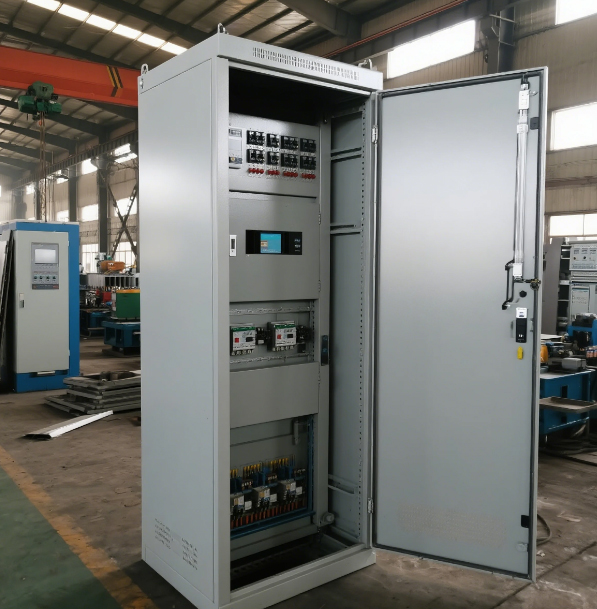
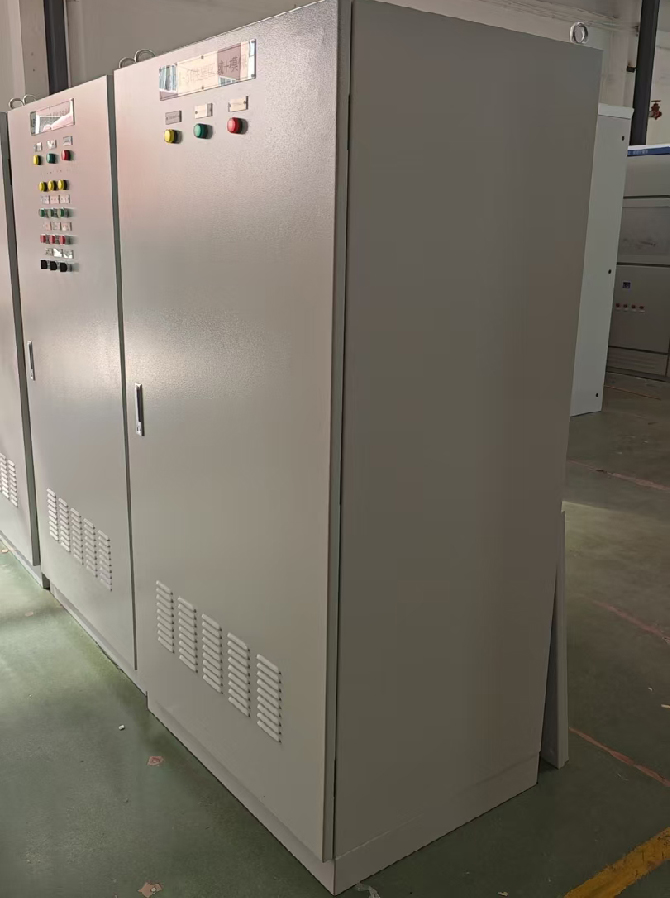
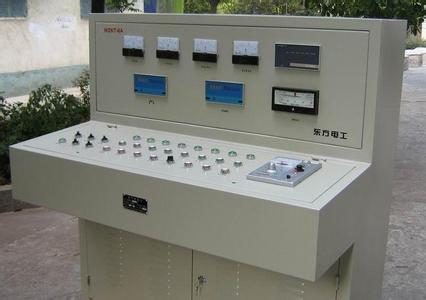
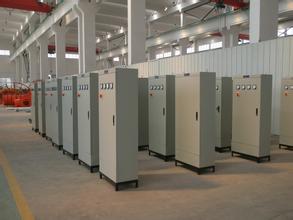
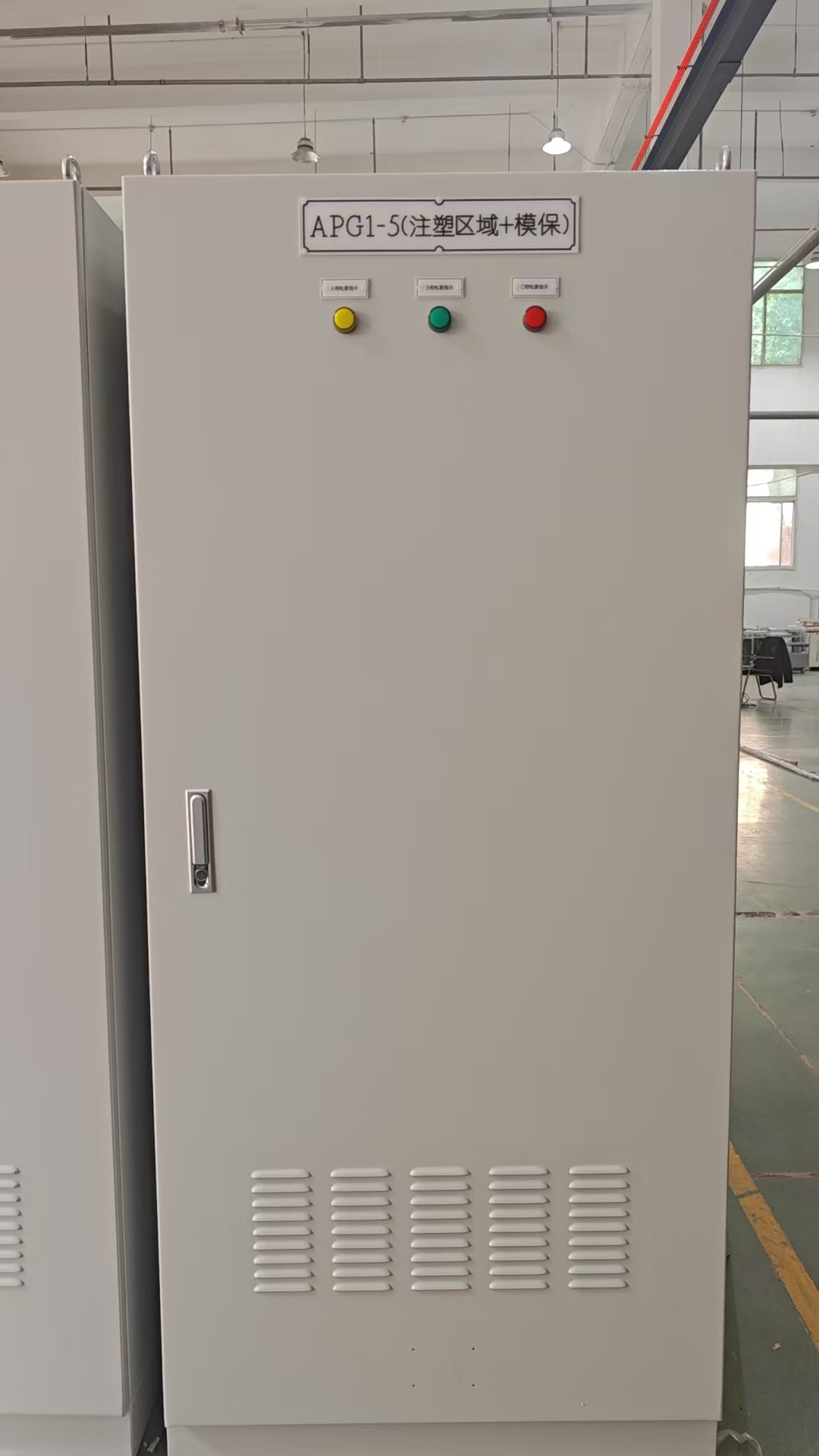
An electrical cabinet is a cabinet used for centralized installation of electrical components such as switchgear, protective appliances, measuring instruments, etc. In industrial production, it plays a role in energy distribution, circuit control, and protection. Through internal circuit breakers, contactors, and other components, power on/off control can be achieved. When faults such as overload or short circuit occur in the circuit, the circuit can be automatically cut off to protect equipment and personnel safety. At the same time, real-time monitoring of parameters such as voltage and current can be achieved through instruments to ensure stable operation of the power system.
Sheet metal processing:
Cutting and cutting: According to the size requirements of the cabinet, use CNC cutting machines and other equipment to cut the board into suitable specifications.
Bending Forming: Using a bending machine to bend the sheet metal and shape the basic shape of the cabinet.
Drilling processing: By using equipment such as punching machines and drilling machines, installation holes, ventilation holes, wiring holes, etc. are opened at corresponding positions in the cabinet.
Cabinet assembly:
Welding assembly: Use welding equipment (such as argon arc welding machine) to weld the bent plates into cabinets, ensuring that the welds are firm and flat, and if necessary, polish them. For some cabinets that adopt an assembled structure, bolts, nuts, and other connecting components are used for fastening and assembly.
Surface treatment: Remove rust and slag from the welded cabinet, and then perform anti-corrosion treatments such as spraying and galvanizing to enhance the protective performance and aesthetics of the cabinet.
Mobile Phone:18913272345
Tel:0512-57452700
Email:kssanjet@163.com
Address:No. 688, Xinda Road, Zhangpu Town, Kunshan City, Jiangsu Province, China